Examining Connections in Reward Designs and Supervision Mechanisms Across Multi-Platform Gaming Systems
Written by Ellis Perry · Aug 18, 2026
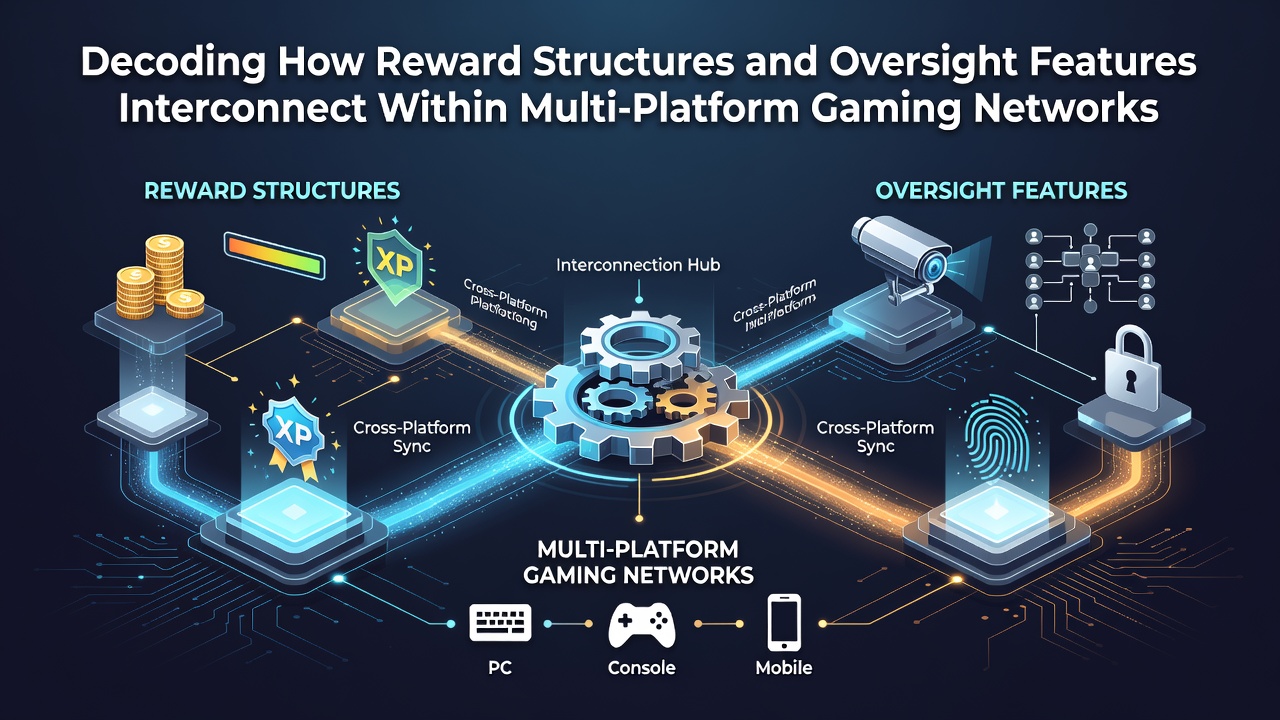
Examining Connections in Reward Designs and Supervision Mechanisms Across Multi-Platform Gaming Systems
Multi-platform gaming networks combine slots, sports betting, and live dealer options into unified ecosystems where players move seamlessly between devices and game types. Reward structures such as loyalty tiers, cashback percentages, and bonus multipliers operate alongside oversight features including transaction monitoring, identity verification, and spending limit tools. These elements connect through shared data systems that track activity in real time and adjust incentives based on compliance status.
Reward Structures in Cross-Platform Environments
Operators design reward programs that span multiple verticals so that points earned from sports wagers convert into free spins on slots or credits for live tables. Data from 2025 industry reports shows average loyalty programs now track over 40 distinct player actions per session across mobile and desktop interfaces. Points accrual rates vary by platform volume, with daily login streaks and deposit milestones feeding into tier progression that unlocks higher cashback percentages. These systems rely on centralized ledgers that update every few seconds to reflect activity from any connected channel.
Oversight Features and Their Core Functions
Regulatory frameworks in regions such as Ontario through the Alcohol and Gaming Commission of Ontario require real-time reporting of large transactions and suspicious patterns. Oversight tools include automated flags for rapid deposit-withdrawal cycles, mandatory cooling-off periods, and age verification layers that block accounts until documentation clears. In the European Union, similar protocols under national gaming authorities enforce responsible gambling prompts that appear after preset loss thresholds. These mechanisms collect behavioral data that feeds back into reward calculations, pausing bonus eligibility when risk indicators rise.
Interconnections Between Rewards and Oversight
Platform architectures link reward delivery directly to oversight databases so that a player who hits a spending cap loses access to multiplier bonuses until the limit resets. This integration prevents the accumulation of unredeemed points during restricted periods and maintains audit trails for regulators. When a loyalty tier upgrade requires minimum wagering volume, oversight algorithms cross-check that volume against deposit sources to confirm legitimacy before releasing enhanced rewards. Such connections reduce instances of bonus abuse while preserving legitimate player progression across networks.
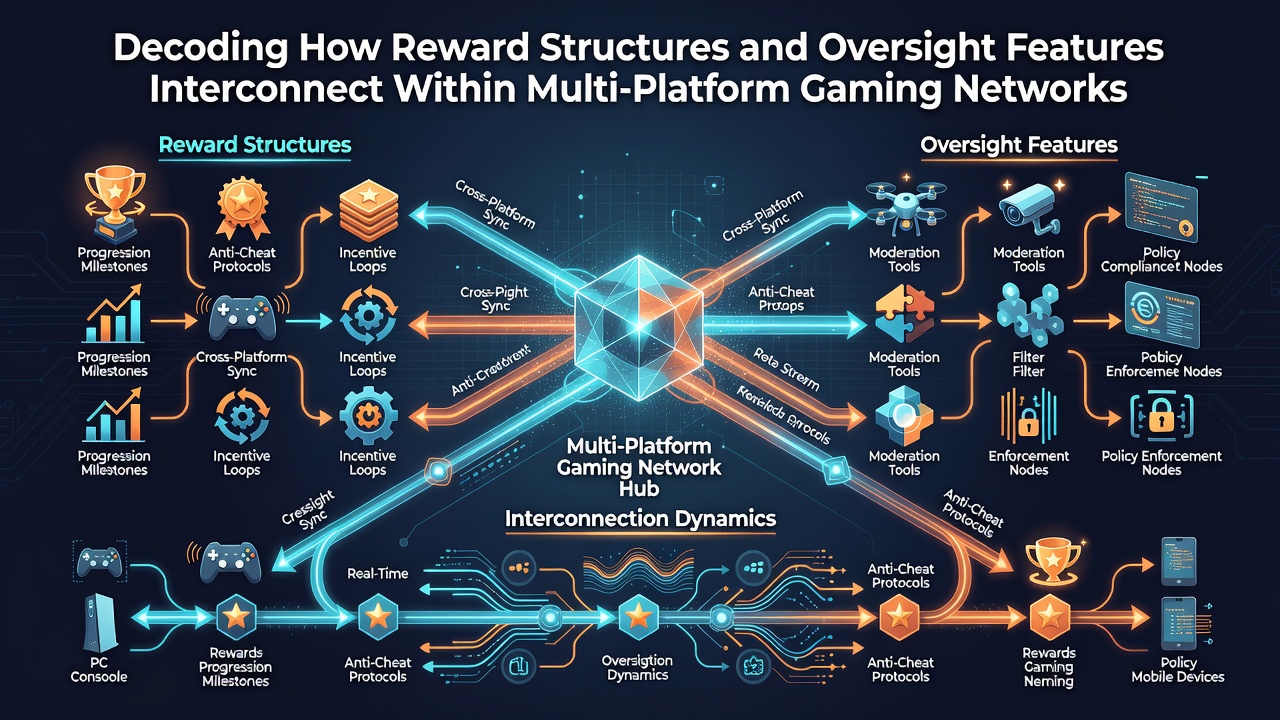
One documented case from a major North American operator revealed that integrating oversight flags into reward engines cut disputed bonus claims by 28 percent within six months. The system automatically downgraded accounts showing irregular patterns, then restored full benefits once verification cleared. Similar approaches appear in Australian markets where state regulators require operators to share reward and compliance data through standardized APIs. These linkages create feedback loops where clean play history accelerates tier advancement while flagged activity triggers temporary holds.
Technical Implementation Across Networks
Backend systems use modular APIs that let reward engines query oversight modules before releasing any promotional credit. Database schemas store player profiles with fields for both accumulated points and current restriction status, ensuring queries return unified results. Updates scheduled for August 2026 include enhanced machine learning models that predict potential compliance issues based on reward redemption velocity. These models draw from anonymized datasets shared among operators under industry association guidelines, allowing earlier intervention without manual review of every transaction.
Developers test these interconnections through sandbox environments that simulate thousands of concurrent sessions. Results indicate that latency between reward requests and oversight checks averages under 200 milliseconds when using optimized cloud infrastructure. Failures in one module trigger graceful degradation so players retain basic access while higher-tier rewards pause. This design maintains network stability while satisfying multiple regulatory jurisdictions operating under distinct rule sets.
Regional Variations in System Design
Canadian provincial frameworks emphasize player-set deposit limits that directly scale available reward multipliers, whereas certain U.S. state systems prioritize geofencing combined with reward eligibility tied to verified location data. Observers note that these differences require flexible platform code capable of toggling features based on detected user region. Industry groups such as the European Gaming and Betting Association publish interoperability standards that help operators align reward and oversight modules across borders. Academic studies from institutions in Australia further examine how these alignments affect player retention metrics over multi-year periods.
Conclusion
The interplay between reward structures and oversight features in multi-platform gaming networks centers on shared data flows and automated decision points. As platforms expand, the technical links that tie incentive delivery to compliance checks continue to evolve through regulatory updates and system upgrades. Evidence from operational deployments demonstrates measurable impacts on both player behavior tracking and administrative efficiency. Continued refinement of these interconnections supports consistent operation across diverse regulatory environments.